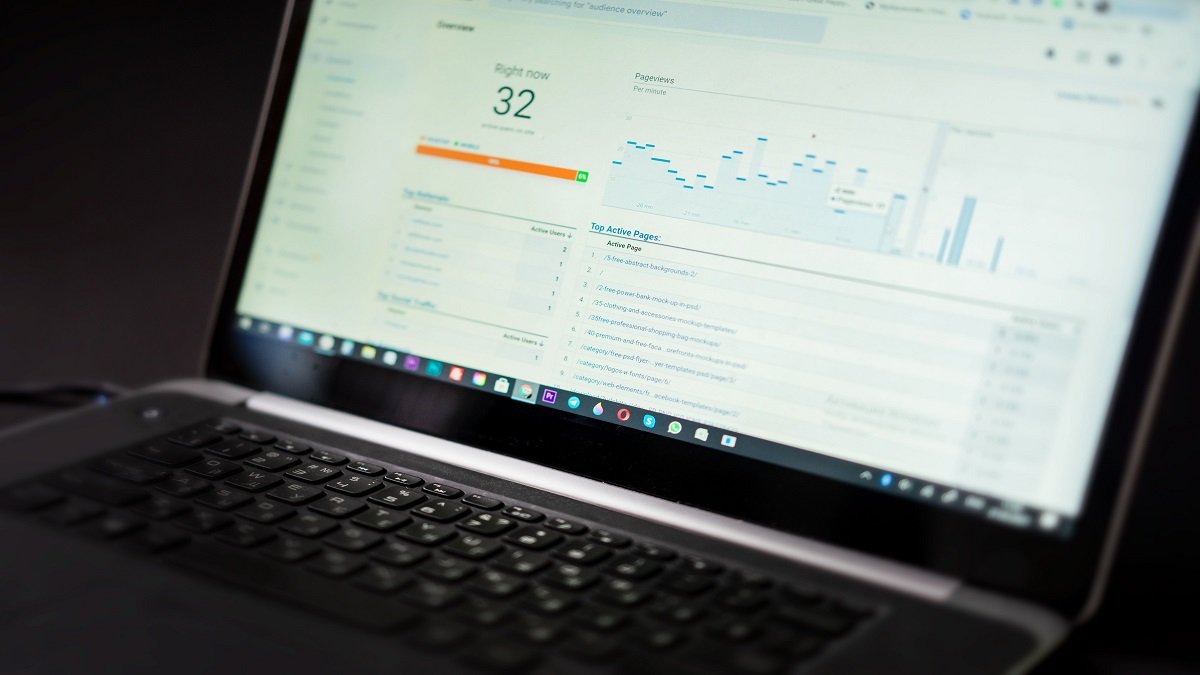
Getting visitors to your website is an important part of digital marketing. But what happens when your website receives traffic every day and still generates very few leads?
This is a common problem for businesses.
You may be checking Google Analytics and seeing hundreds or thousands of visitors. Your SEO rankings may be improving. Your social media posts may be bringing people to your website. You may even be running advertising campaigns.
But your contact forms remain empty.
Phone calls are limited.
Sales enquiries are not increasing.
This situation can be frustrating, but website traffic without leads does not always mean your marketing is failing. In many cases, the problem is happening after visitors arrive on your website.
Your website may have a conversion problem.
A successful website needs to do more than attract visitors. It needs to help the right visitors understand your business, trust your offer, and take the next step.
Read Also: Social Media Isn’t Generating Customers? Fix the Gap
In this guide, we will explain the common reasons why websites get traffic without leads and what you can do to improve conversions.
Traffic and Leads Are Two Different Things
One of the first things a business should understand is that website traffic and leads are different metrics.
Website traffic tells you how many people are visiting your website.
Leads represent people who show some level of interest in your product or service by taking an action such as submitting a form, requesting a quote, calling your business, booking a consultation, or sending an enquiry.
For example, imagine a website receives 10,000 visitors in one month.
If only 10 people contact the business, the website has generated traffic but very few leads.
The solution is not necessarily to get another 10,000 visitors.
First, you need to understand why the existing visitors are not taking action.
1. You Are Getting the Wrong Type of Traffic
More traffic does not automatically mean more customers.
Your website may be attracting people who are interested in a topic but have no intention of purchasing your product or service.
For example, suppose a company sells professional SEO services.
It publishes an article targeting the keyword:
“What is SEO?”
The article may attract a large number of beginners who simply want to understand the basic concept.
However, many of those visitors may not be looking for an SEO service.
Now compare that with someone searching for:
“SEO agency for small business”
That visitor may have a stronger commercial intent.
This is why you should look at the quality and intent of your traffic, not only the number of visitors.
Ask:
- What keywords are bringing visitors?
- What pages are they landing on?
- Are visitors from your target location?
- Are they looking for information or a service?
- Do they match your ideal customer?
- Which traffic sources generate actual enquiries?
Understanding search intent can help you create content that attracts people who are more relevant to your business.
2. Your Website Does Not Clearly Explain What You Offer
When someone lands on your website, they should quickly understand:
What does this business do?
Who is it for?
How can it help me?
If visitors need to read several paragraphs before understanding your service, some may leave before exploring further.
Your homepage and important landing pages should communicate your main value clearly.
For example, instead of using a vague headline such as:
“Welcome to the Future of Digital Solutions”
you could use something more specific:
“Digital Marketing Services to Help Small Businesses Generate More Leads”
The second statement immediately communicates the service and its intended business outcome.
Clear communication reduces confusion and makes it easier for visitors to decide what to do next.
3. Your Call-to-Action Is Missing or Unclear
A visitor may be interested in your service but still not take action because you haven’t clearly told them what to do.
A website should provide logical next steps.
Depending on your business, this could be:
- Request a quote
- Book a consultation
- Contact us
- Schedule a demo
- Start a free trial
- Download a guide
- Get an audit
- Ask a question
The CTA should be visible without making the website feel overly promotional.
For example, if your service page explains your web development services, a relevant CTA could be:
“Discuss Your Website Project”
rather than simply:
“Click Here.”
Specific CTAs provide more context and make the next action easier to understand.
4. Your Landing Page Does Not Match the Visitor’s Intent
Imagine someone clicks a search result for:
“Digital marketing services for small businesses.”
They expect to find information about digital marketing services.
Instead, they land on a general homepage containing information about web design, hosting, graphic design, SEO, social media, and several unrelated services.
The visitor now has to search for the information they originally wanted.
This creates unnecessary friction.
A better approach is to create focused landing pages for important services and campaigns.
For example:
SEO search → SEO service page
Web design search → Web design service page
Google Ads campaign → Google Ads landing page
Social media campaign → Social media marketing page
The page should continue the same message that brought the visitor there.
5. Your Website Does Not Build Enough Trust
Visitors may like your service but still hesitate to contact you.
Why?
Because they don’t know whether they can trust the business.
Before making an enquiry, people may want answers to questions such as:
- Who are you?
- What experience do you have?
- What exactly do you provide?
- Have you worked with similar businesses?
- What does your process look like?
- How can I contact you?
- Where is your business located?
- What happens after I submit the form?
Your website can address these questions through useful information such as:
- About page
- Author information
- Portfolio
- Case studies
- Genuine testimonials
- Service details
- FAQs
- Contact information
- Clear business information
Do not create fake reviews, fake statistics, or unsupported claims simply to make the business look more trustworthy.
Real information is more useful for visitors and creates a stronger foundation for a long-term website.
6. Your Contact Form Is Creating Too Much Friction
A lead form should not feel like an application process unless your business genuinely needs detailed information.
Imagine a visitor wants a simple consultation, but your form asks for:
- Full name
- Date of birth
- Address
- Company size
- Job title
- Monthly income
- Multiple unrelated questions
- Long written explanations
The visitor may simply leave.
Ask only for information that is genuinely useful at that stage of the customer journey.
For many businesses, a basic form may require:
- Name
- Email or phone
- Service required
- Short message
You can collect additional information later if necessary.
The easier it is for a genuinely interested visitor to contact you, the fewer unnecessary barriers you create.
7. Your Website Is Too Slow or Difficult to Use
Website performance can affect the user experience.
A visitor who has to wait for large images, unnecessary scripts, pop-ups, or other elements to load may leave before reaching your offer.
Check your website on:
- Mobile phones
- Tablets
- Desktop computers
- Different browsers
- Different internet connections
Also check whether important elements work correctly.
For example:
- Does the contact form submit?
- Does the phone link work?
- Does the WhatsApp button work?
- Does the menu work on mobile?
- Do important pages load correctly?
- Are there broken links?
A website may look attractive but still lose leads if basic functionality is unreliable.
8. Your Mobile Experience Is Poor
A significant amount of web browsing happens on mobile devices.
If your website is designed primarily for desktop users, mobile visitors may struggle with:
- Small text
- Tiny buttons
- Horizontal scrolling
- Difficult menus
- Forms that are hard to complete
- Images that do not fit correctly
- Pop-ups covering important content
Your mobile website should make the main actions easy to find.
A visitor should not have to zoom in just to read your content or tap a tiny contact button.
9. Your Content Answers Questions but Does Not Connect to Your Services
Informational content is valuable for attracting search traffic.
However, a business blog should also help visitors understand how the information connects to their needs.
Suppose you publish an article about:
“How to Improve Website SEO.”
At the end of the article, you could naturally guide interested readers toward a related resource or service page.
For example:
Learn more about professional SEO services → SEO Service Page
The connection should be relevant and useful rather than forced.
This creates a natural journey:
Search → Helpful Article → Related Information → Service Page → Enquiry
The objective isn’t to turn every article into a sales pitch.
Instead, give readers a useful next step when it genuinely relates to what they are reading.
10. Your Website Has Too Many Distractions
A website can lose conversions when visitors have too many competing elements.
For example, a page may contain:
- Multiple pop-ups
- Several banners
- Auto-playing videos
- Too many buttons
- Excessive animations
- Unrelated promotional messages
- Multiple competing CTAs
When everything demands attention, nothing feels important.
Your page should have a clear hierarchy.
The visitor should understand:
What is this page about?
What should I read?
What should I do next?
Good design is not necessarily about adding more elements. Sometimes removing unnecessary elements creates a better experience.
11. Your Pricing or Offer Is Confusing
Visitors may leave because they cannot understand what they are getting.
If your website says:
“Custom digital solutions for every business.”
but doesn’t explain the services, process, deliverables, or next steps, potential customers may hesitate.
Depending on your business model, explain:
- What the service includes
- Who it is suitable for
- What the process looks like
- What the expected deliverables are
- How customers can get started
- Whether pricing is fixed, starting from a certain amount, or quote-based
You don’t necessarily need to publish exact pricing for every service.
But the buying process should be understandable.
12. You Are Not Tracking Conversions Properly
Sometimes a business believes it has no leads because it is not tracking all lead sources.
For example, visitors may contact you through:
- Contact forms
- Phone calls
- Appointment bookings
- Social media messages
If you only track contact-form submissions, you may underestimate the number of enquiries your website generates.
Set up proper conversion tracking and review your data regularly.
You should be able to identify which pages and traffic sources contribute to meaningful actions.
A Simple Website Conversion Funnel
A useful way to understand the problem is to think of your website as a funnel.
Traffic
↓
Relevant Visitor
↓
Engagement
↓
Trust
↓
Call-to-Action
↓
Lead
↓
Qualified Lead
↓
Customer
A problem at any stage can reduce the final number of customers.
For example:
High traffic + poor targeting = few relevant visitors
Relevant visitors + unclear message = low engagement
Good message + low trust = hesitation
Good trust + weak CTA = few enquiries
Good enquiries + poor follow-up = lost opportunities
This is why simply increasing traffic may not solve the problem.
How to Turn Website Traffic Into More Leads
Here is a practical process you can use.
Step 1: Find Your Highest-Traffic Pages
Identify which pages receive the most visitors.
Then check whether those pages have a clear purpose.
Step 2: Identify Your Best Traffic Sources
Look at organic search, social media, referral traffic, direct traffic, and advertising.
Determine which sources bring visitors who actually engage with your business.
Step 3: Review Your Top Landing Pages
Ask whether each page matches the visitor’s intent.
If the page does not match what visitors expected, improve the message.
Step 4: Improve Your Main CTA
Give visitors one clear next step.
Make the CTA relevant to the page.
Step 5: Reduce Conversion Friction
Simplify forms, improve mobile usability, fix broken links, and remove unnecessary distractions.
Step 6: Add Trust Information
Show genuine experience, portfolio work, testimonials, business information, FAQs, and other evidence that helps visitors make an informed decision.
Step 7: Measure Results
Track:
| Metric | What It Tells You |
|---|---|
| Visitors | How much traffic you receive |
| Engagement | Whether visitors interact with the page |
| CTA clicks | Whether visitors show interest |
| Form submissions | Number of enquiries |
| Qualified leads | Relevant business opportunities |
| Customers | Completed conversions |
| Revenue | Business result |
This allows you to improve your website based on actual user behavior rather than assumptions.
Don’t Focus Only on Getting More Traffic
More traffic can be valuable, but traffic should support a larger business objective.
If your website receives 20,000 visitors but produces almost no enquiries, getting another 20,000 visitors may not solve the underlying issue.
First ask:
Are we attracting the right people?
Does the website clearly communicate the solution?
Do visitors trust the business?
Is the next step obvious?
Is the conversion process easy?
Once these areas are working properly, increasing relevant traffic can become much more valuable.
Final Thoughts
Website traffic without leads is often a sign that there is a gap somewhere between getting attention and creating action.
The problem could be incorrect traffic, unclear messaging, weak calls-to-action, poor landing pages, limited trust, complicated forms, slow performance, mobile usability issues, or an ineffective follow-up process.
Instead of asking only:
“How can I get more website visitors?”
also ask:
“What happens after visitors arrive?”
Your website should guide relevant visitors from information to understanding, from understanding to trust, and from trust to an appropriate next step.
A strong conversion strategy does not require every visitor to become a customer. The goal is to make the journey clearer and easier for people who genuinely need what your business provides.
When you combine relevant traffic with useful content, clear messaging, trustworthy information, focused landing pages, simple CTAs, and proper conversion tracking, your website has a much better foundation for turning visitors into meaningful business opportunities.

Saurabh Shrivastav is a Digital Marketing Expert, Web Designer & Developer, and founder of Digispeed.in, with 12+ years of experience in digital marketing and web solutions. He shares practical insights on SEO, Google Ads, social media marketing, content marketing, web design, development, and online business growth.